

An electronic press kit (EPK) is a single page or link that gives an editor, booker, label or brand everything needed to say yes to an artist: a short bio, two or three best songs, live video, press photos, recent press quotes, key facts and one clear contact. A good EPK can be read in two minutes and acted on immediately.
I see EPKs from both sides. Since I founded IDA (Inspire & Develop Artists) in 2011, our IDA team has built them with artists, and as the owner and CEO of Modern Drummer I am also on the receiving end, along with the editors who decide which artists get covered. The kits that work are short, current and easy to use. The ones that fail usually have plenty of material and no editing.
What Goes in an Electronic Press Kit
Every EPK needs the same core pieces. Put them in this order, because this is the order a busy reader looks for them:
- A one-line description. Who you are and what you sound like, in a sentence someone could repeat to a colleague.
- A short bio and a long bio. About 100 words and about 300 words, telling the same true story. Editors often paste the short one straight into a listing.
- Your best two or three songs. Streaming links that play without a login, with the strongest song first.
- Live video. One or two clips of a real performance, ideally recent, with good audio.
- Press photos. Three to five high-resolution images in landscape and portrait, with the photographer credited and download rights clear.
- Press quotes and highlights. Real quotes from real outlets, plus the facts that matter: releases, notable shows, streams or radio play you can verify.
- Contact. One name, one email and, if you have them, your manager, agent and publicist.
That is the whole kit. Anything else, such as tour history or a full discography, belongs on a second layer the reader can open if they want more.
What Editors and Bookers Look for First
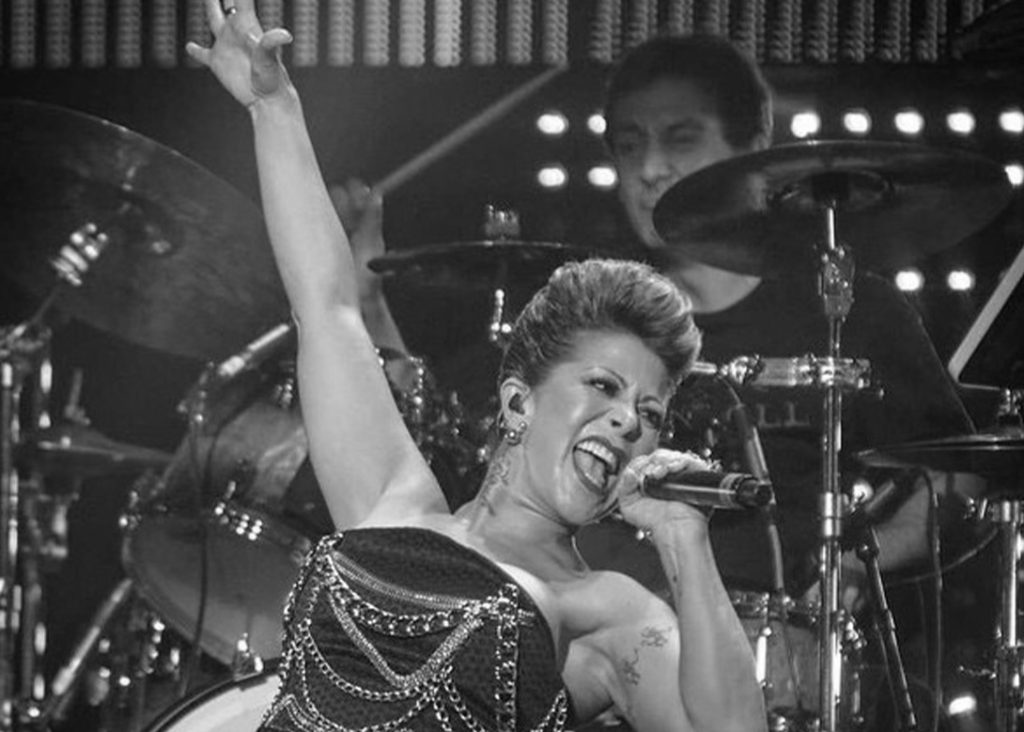
The person reading your EPK is deciding something specific. An editor wants to know if there is a story for their readers. A talent buyer wants to know if you can hold a room and sell tickets. A label scout wants to know if the songs and the artist are ready to grow. A brand wants to know if your audience and your image fit theirs. Write the top of your kit so each of them finds their answer quickly.
From the publishing side, the questions are simple. Is there a hook that is new and true? Is the music good enough that I would put my name next to it? Can I reach someone today if I want an interview? When those three things are clear in the first screen, the rest of the kit gets read. When they are buried, it usually does not.
The other thing readers notice right away is whether the kit is current. A bio that mentions a release from three years ago as “new” or a contact email that bounces tells the reader nobody is running the project. Date your news and update the kit every time something real happens.
The Music and the Story Have to Match
An EPK cannot fix songs that are not ready, and it should not try. The best kits come from artists who have already done the development work: the songs are finished, the sound is recognizable in the first few seconds and the live show holds up. The kit then tells that story clearly.
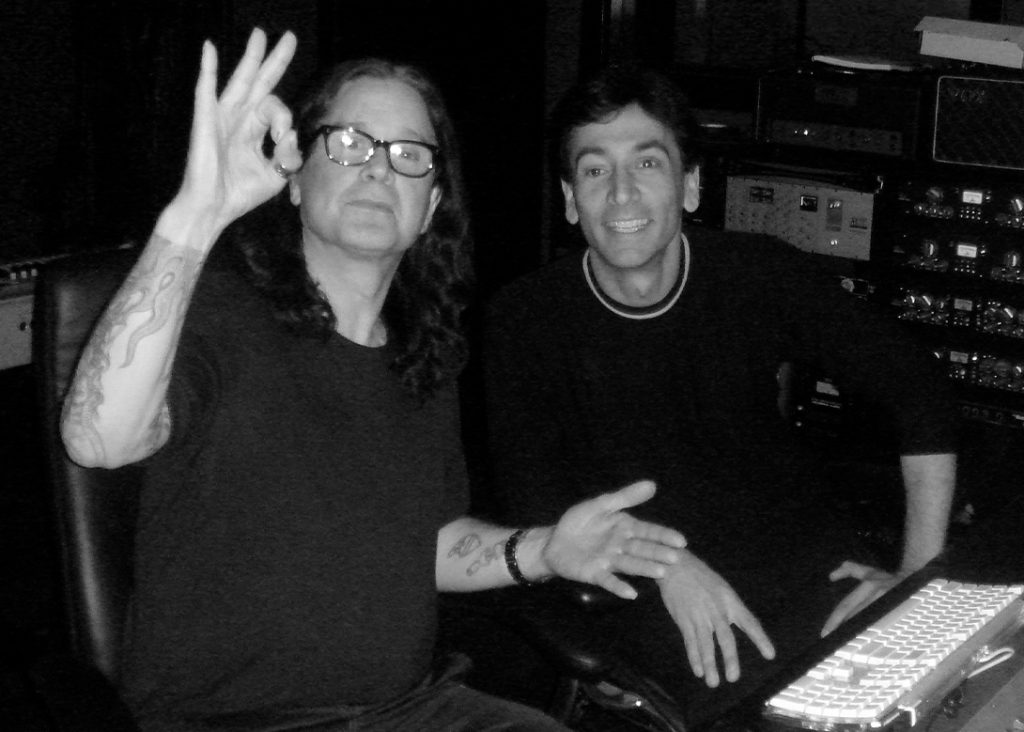
That is why our IDA team treats the EPK as part of artist brand strategy, not a separate design project. The one-line description, the bio, the photos and the way you introduce songs on stage should all say the same thing. Between us, the IDA team has worked on dozens of gold and platinum albums with artists including The Rolling Stones, Ringo Starr, Elton John, Sting, Journey and Ozzy Osbourne, and the pattern holds at every level: artists who know exactly who they are make it easy for press to write about them.
Common EPK Mistakes
- Too much. Twelve songs, forty photos and a five-page bio make the reader do your editing.
- Attachments instead of a link. Send one link to a fast page. Large attachments get filtered or ignored.
- Private or broken links. Test every song and video link logged out, on a phone.
- Unverifiable claims. Numbers and quotes should be real and checkable. One inflated claim can cost the credibility of everything else in the kit.
- Weak photos. Phone snapshots and heavy filters read as unfinished. Professional images with clear rights get used.
- No clear ask. Say what you are looking for: coverage of a release, a support slot, a showcase or a partner.
Fixing these takes a few hours, and it changes how every person who opens your kit sees you.
If you are building a kit for a release, a tour or label conversations and want our IDA team to look at the whole picture with you, book an artist strategy session and we can start a private conversation about where you are and where you want to go. You can also see how we work on artist development consulting.
FAQ
What is an electronic press kit (EPK)?
An EPK is a single page or link that gives media, bookers, labels and brands what they need to evaluate an artist: a short bio, best songs, live video, press photos, press quotes, key facts and contact details.
How long should an artist bio be in an EPK?
Include a short bio of about 100 words and a longer one of about 300 words. Both should tell the same true story so editors can use either without rewriting it.
Should an EPK be a PDF or a web page?
A fast, mobile-friendly web page is usually best because it is one link, it stays current and songs and video play in place. A short PDF version is useful as a backup for people who ask for one.
How often should I update my EPK?
Update it whenever something real happens, such as a new release, a notable show or new press. Date your news so the reader can see the kit is current.
More from David Frangioni: How to Make It Big as a Drummer, on building the reputation and relationships that keep musicians working.
Join The Signal Chain
My monthly letter on how music is played, captured, mixed, heard and preserved.
One letter a month from David Frangioni. Unsubscribe anytime.
Welcome to The Signal Chain.
Thank you for signing up. You are now part of my community of artists, drummers, engineers and music lovers who care about how great music is made, heard and preserved.
My next letter comes straight to your inbox. If you do not see it, check your promotions or spam folder and mark it as safe.
David Frangioni

