
An artist development deal is an agreement in which a label, production company or developer invests money, time and relationships in an artist before a full record deal, in exchange for an option on future recordings or a share of future income. I founded IDA in 2011, and our IDA team reads these terms from the artist’s side.
Rising artists ask me about these deals more than almost anything else, usually after an offer has already landed. The paperwork uses many different names, but the structures underneath are few, and the terms that decide whether a deal helps a career are fewer still.
The Four Structures You Will See
Most offers a developing artist receives fit one of four shapes.
- Label development deal. A label funds a smaller budget for recording, co-writing, image work and showcases, and in return holds an option to sign the artist to a full record deal on terms set in advance (Orphiq).
- Production or developer deal. A producer or company develops the artist for a set term and takes a percentage of revenue during that term, often with a smaller “sunset” percentage for years afterward. One widely cited example: 15 percent of revenue during a three year term, then 10 percent of sunset revenue for the following ten years (Lawyer Drummer).
- Label services deal. The artist keeps ownership of the masters and buys label functions such as distribution, marketing, playlist pitching and project management for a fee or a revenue share (Open Music Business).
- 360 deal. The company supports the artist and in return takes a percentage of more revenue streams than record sales alone, often including touring, merchandise, endorsements and songwriting royalties (Wikipedia).
None of these is good or bad on its own. Each one trades something the artist has, rights, income or time, for something the artist needs, money, expertise or access. The question is always whether the trade fits where the artist is right now. I wrote about the bigger choice in independent artist vs label; this piece is about reading the offer once one is on the table.
The Terms That Decide Whether a Deal Helps
The headline number rarely tells me whether a development deal is good. Five terms usually do.
- The option window. How long the developer can hold the artist before deciding on a full deal, and what happens to the artist if they pass.
- The defined investment. Exactly what is being spent, on what, and whether every dollar is recoupable from the artist’s future income.
- Masters and rights. Who owns the recordings made during development, and whether that changes if the full deal never arrives.
- Revenue scope and sunset. Which income streams are included, for how long, and how long the percentage continues after the term ends.
- The exit. What each side can do if milestones are missed or the relationship stops working.
Exclusivity during the option window is the cost artists underestimate most. A development deal can tie an artist up before anything is guaranteed (Orphiq), and while one company decides, other doors can close. I would much rather see a shorter window with clear milestones than a generous budget attached to an open ended hold.
What I Learned on the Other Side of the Glass
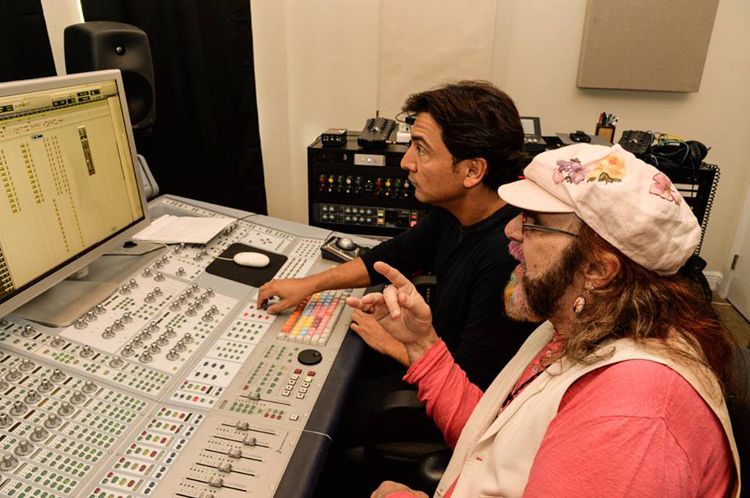
I have spent my career in the rooms where records get made. I was Aerosmith’s in-house engineer and technologist on singles, albums and tours, and I worked with Joe Perry on the Spider-Man theme. Our IDA team holds dozens of gold and platinum albums with The Rolling Stones, Ringo Starr, Elton John, Sting, Journey, Shakira, Ozzy Osbourne and Cher.
That experience leaves me with one clear view. Development money is worth taking when it buys work the artist genuinely cannot reach alone: the right producer, the right co-writers, a live show that holds up, a release plan with real support behind it. It becomes expensive when it mostly buys time that someone else controls.
The artists I have seen build lasting careers treated every early deal as one chapter of a longer story. They kept their goals written down, measured each offer against them, and walked away from terms that would have limited the next chapter.
How Our IDA Team Helps Before and After an Offer
Before an offer arrives, we help artists build what makes any offer better: finished songs, a release plan, an audience they own and a live show that is ready for industry eyes. That work is the core of our artist development consulting, and it is the same preparation I describe in how to prepare for a record deal.
When an offer does arrive, we map it against the artist’s goals, flag the terms worth a closer look and make sure the artist walks into the conversation with their attorney knowing what matters most to them. We do not give legal advice. An experienced music attorney should review every agreement before anything is signed.
FAQ
What is an artist development deal?
It is an agreement in which a label, production company or developer invests in an artist before a full record deal, in exchange for an option on future recordings, a share of future income, or both.
How does the developer get paid in an artist development deal?
Usually through an option to sign the artist to a full record deal on preset terms, a percentage of the artist’s revenue during the term, a smaller sunset percentage after the term ends, or a combination of these.
Do I keep my masters in an artist development deal?
It depends on the contract. Label development deals often give the label rights in recordings made during development, while label services deals usually leave the masters with the artist. Read the ownership clause before anything else.
Should a lawyer review an artist development deal?
Yes. An experienced music attorney should review any development deal before you sign. Our IDA team helps you understand the business questions so that conversation is focused and productive.
More from David Frangioni: Trusted by Legends at Full Sail University: Watch the Replay, my Full Sail talk on a career built working with legendary artists.
If you are weighing a development offer or want to be ready before one arrives, start a conversation with our IDA team.
Join The Signal Chain
My monthly letter on how music is played, captured, mixed, heard and preserved.
One letter a month from David Frangioni. Unsubscribe anytime.
Welcome to The Signal Chain.
Thank you for signing up. You are now part of my community of artists, drummers, engineers and music lovers who care about how great music is made, heard and preserved.
My next letter comes straight to your inbox. If you do not see it, check your promotions or spam folder and mark it as safe.
David Frangioni

