
Artist brand strategy is the plan for who you are as an artist and how that identity shows up everywhere: the music, the story, the visuals, the stage and the content. At IDA (Inspire & Develop Artists), the company I founded in 2011, we build it from identity first, then story, then a content plan the artist can actually keep.
What an Artist Brand Really Is
An artist brand is the sum of every impression someone has of you. The first song they hear, the photo on your profile, the way you talk between songs, the bio a journalist reads before an interview. When those impressions line up, people remember you and can describe you to a friend. When they pull in different directions, even very talented artists blur into everyone else.
A strong brand is built from what is already true about the artist. The work is finding what makes you distinct and making it clear and consistent everywhere you show up.
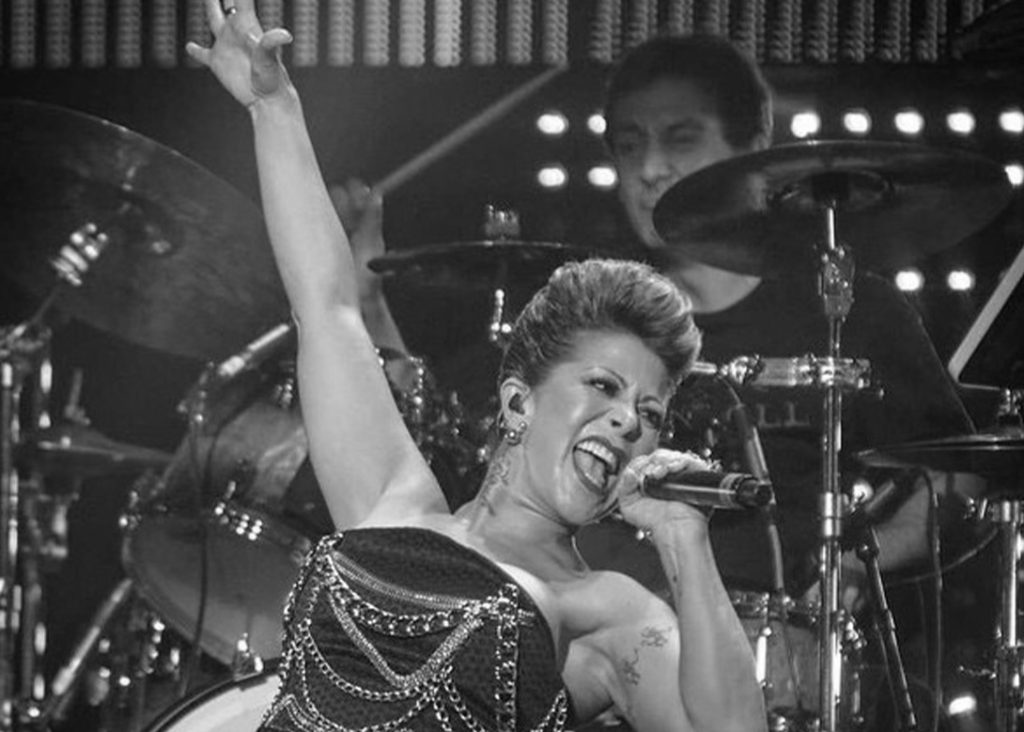
Start With Identity Before Content
Most artists start with content because it feels productive. I have them start with identity, because content without identity is just noise. Before we plan a single post, our IDA team works with the artist on a few foundations:
- Three words. Three words that describe the music and the person, chosen by the artist and confirmed by people who know the music well.
- What you stand for. The themes, values or experiences that run through the songs and that you would talk about even if no one asked.
- Your sound in one sentence. A plain description a stranger could use to explain your music without naming anyone else.
- Your audience. The real people who already respond to the music, where they are and what else they love.
Once those are clear, every decision gets easier, from cover art to set lists to which collaborations make sense.
The Story That Travels
Every lasting artist has a story people can repeat in one or two sentences. It might be where you came from, what you overcame, or what you set out to do with your music. The story has to be true, and it has to be short enough to travel from your bio to a journalist’s article to a fan telling a friend.
Write a one-sentence version, a short paragraph version and a full bio, and make sure they all tell the same story. Use the same language in your electronic press kit, on your streaming profiles, on your website and when you introduce songs on stage. Repetition is what turns a story into a reputation.
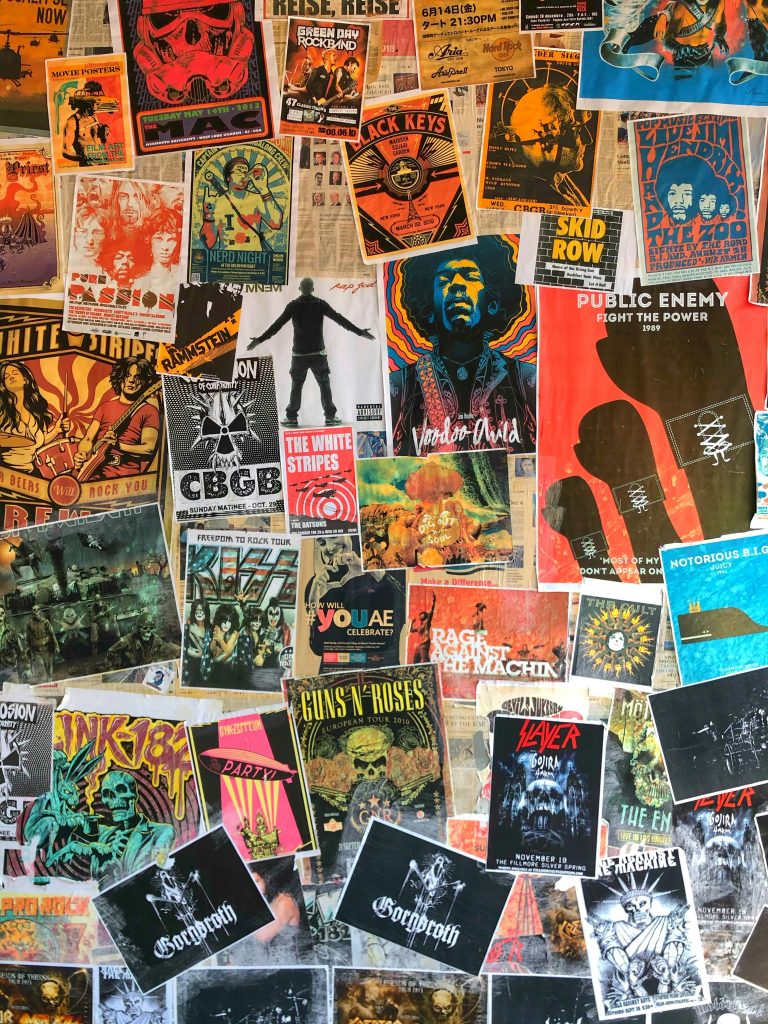
A Content Plan That Fits the Artist
A content plan should come from the brand, not from whatever is trending this week. We usually build it around a few pillars that match the artist: the music itself, the process of making it, the live show and the person behind the songs. Each pillar gives the artist something real to share without inventing a new idea every day.
Consistency matters more than volume. A schedule the artist can keep for a year beats an intense month followed by silence. And the audience has to be real. Bought followers and generated engagement show up in the data that labels, agents and promoters study, and they damage credibility. I wrote about where technology helps and where it hurts in AI artist development.

What Working With Legends Taught Me
I have spent my career around artists whose identities are instantly recognizable. I was the in-house engineer and technologist for Aerosmith, built two studios for Ozzy Osbourne and created the Dolby Atmos and 5.1 surround mixes of KISS Dressed to Kill and Rock And Roll Over for their 50th anniversary editions. KISS is the clearest example I know of a brand built on identity: the logo, the look and the sound have told the same story for fifty years.
Our IDA team has worked on dozens of gold and platinum albums for artists including The Rolling Stones, Ringo Starr, Elton John, Sting, Journey, Shakira, Ozzy Osbourne and Cher. The common thread is clarity. The artist knows who they are, and everything around them reinforces it. That is what we help developing artists build, and it is a core part of working with an artist development consultant.
FAQ
What is artist brand strategy?
It is the plan for an artist’s identity and how it shows up consistently across music, story, visuals, live shows and content, so audiences, press and industry remember who the artist is.
Where should an artist start with branding?
Start with identity: a few words that describe the music and the person, what the artist stands for, a one-sentence description of the sound and a clear picture of the real audience. Content comes after.
How often should an artist post content?
As often as the artist can keep up for a full year. A steady, sustainable schedule built around a few content pillars works better than bursts of activity followed by silence.
Does IDA help artists with brand strategy?
Yes. Our IDA team builds identity, story and a content plan into artist development, alongside songs, recordings, live show work and release planning.
If you want help defining your identity and building a plan around it, start a conversation with our IDA team.
More from David Frangioni: What Neil Peart: No One’s Disciple Shows Every Drummer, on how a clear artistic identity lasts.
David Frangioni
Join The Signal Chain
My monthly letter on how music is played, captured, mixed, heard and preserved.
One letter a month from David Frangioni. Unsubscribe anytime.
Welcome to The Signal Chain.
Thank you for signing up. You are now part of my community of artists, drummers, engineers and music lovers who care about how great music is made, heard and preserved.
My next letter comes straight to your inbox. If you do not see it, check your promotions or spam folder and mark it as safe.
David Frangioni

